Briefcase vs Backpack for Airports – Which Is Less Stressful When You’re Sprinting?
When it comes to navigating the chaos of an airport, especially during a business airport commute, the question often boils down to: briefcase vs backpack – which bag archetype keeps stress levels down when you're dashing to catch a flight? Having spent over a decade flying weekly between UK and US hubs, I’ve tested more bags than I care to admit. What separates a top contender from the rest isn’t just sleek looks or marketing claims, but real-world performance—durability, comfort, weight, and packing efficiency.
In this post, I’ll break down everything you need to know about these two popular options, drawing on data from trusted sources including Applied Polymer Science research on materials, but also practical insights from top brands like Revfine.com and Von Baer. Plus, we’ll look into how social feedback from platforms like LinkedIn and X (Twitter) influences professional travellers’ bag choices.
Choosing Your Bag Archetype by Travel Scenario
Before launching into materials and capacities, let’s clarify when either a briefcase or a backpack really shines. Your choice should be dictated by the nitty-gritty of your travel habits, airport layout, and work needs.
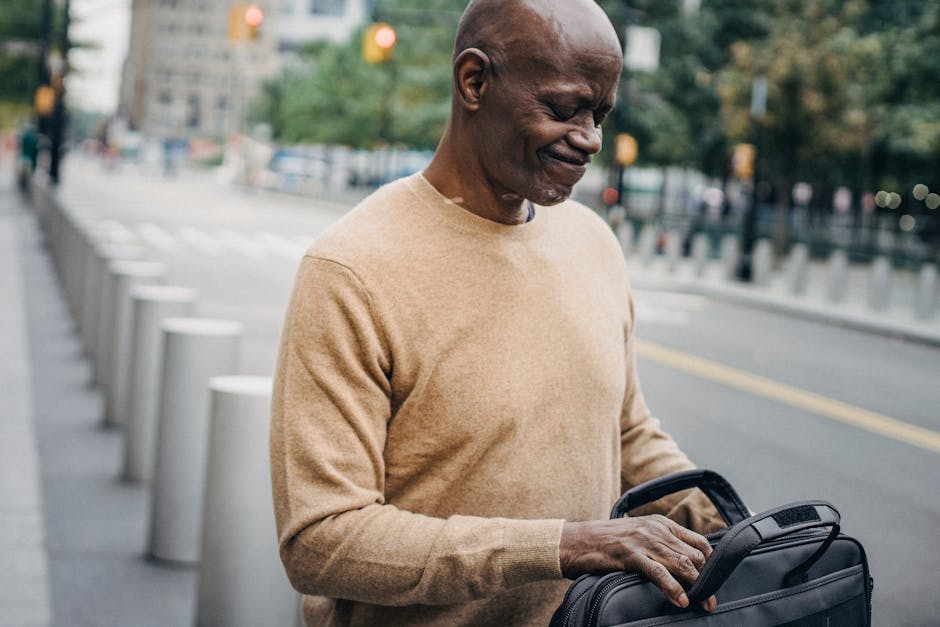
The Briefcase: Classic Business Commuter
- Best for: Professionals who primarily fly for meetings or conferences, often with formal dress codes.
- Travel scenario: Short to medium haul flights, controlled airport environments, and straightforward commutes between terminals or business centres.
- Pros: Sleek silhouette projects professionalism, easy laptop access, fits under airline seats and in overhead bins.
- Cons: Usually one strap means single-arm carry or rigid handles — not ideal when sprinting or rushing.
Von Baer’s briefcase range nails classic aesthetics with abrasion-resistant materials — more on that below — but misses the mark if your journey includes long terminal walks or needing hands-free travel. When your arm starts to ache 300m in, trust me, you’ll notice.
The Backpack: Hands-Free Travel Powerhouse
- Best for: Travellers juggling multiple bags, requiring full mobility for running to gates, or those who prefer casual, functional styles.
- Travel scenario: Complex airport layouts, long walks between security and departures, or when balancing coffee and boarding passes in hands.
- Pros: Distributes weight evenly, leaves hands free for devices or luggage carts, often higher capacity.
- Cons: May appear less "formal"; some models risk the dreaded "brick" feel if poorly designed.
Revfine.com offers backpacks with strong engineering focus, including advanced materials that help keep weight low while boosting durability. But beware cheap imitations—you want smooth-roll zippers and reinforced shoulder straps to reduce wobble and chafing.
Materials and Durability Stats That Matter
Not all bags survive airport tile-laden battles equally. The materials used influence weight, wear resistance, water splash protection, and even how bags handle the luck of conveyor belts and luggage drops.
Material Durability (Abrasion cycles) Weight Water Resistance Examples Ballistic Nylon (1680D) High (20,000+ cycles) Medium High (PU coating) Von Baer briefcases, Heavy-duty backpacks Polycarbonate (Hard Shell) Very High (impact resistant) High High Hard briefcases, Spinner suitcases Polyester (600D to 900D) Medium (8,000-12,000 cycles) Light Medium (water-repellent finish) Budget backpacks, casual briefcases TPU Laminated Fabrics High Light to Medium Very High (waterproof) Premium backpacks, tech bagsResearch from Applied Polymer Science backs ballistic nylons as the sweet spot for sturdy yet manageable bags. Von Baer leans heavily how to condition leather bag on such materials, blending toughness with style. Meanwhile, Revfine incorporates TPU laminates to keep their backpacks water and abrasion resistant without adding bulk – a perfect fit for unpredictable weather or accidental spills in terminals.
Weight vs Comfort vs Perceived Load
Marketers love to toss around "premium feel" and vague terms, but what really matters isn’t just the bag’s absolute weight—it’s how that weight sits on your body or arm, plus how well https://dlf-ne.org/is-a-2-2-3-5-pound-nylon-backpack-better-than-a-3-5-5-0-pound-leather-one/ the design mitigates perceived strain.
- Briefcases: Even a 2.5kg briefcase can feel like a "brick" if the handle wobbles or if the weight is concentrated without padding. Plus, single-arm load means fatigue creeps in quickly when rushing.
- Backpacks: A 3kg backpack may feel lighter with proper shoulder straps and chest belts. The distribution lessens fatigue though beware uneven packing habits that can cause imbalance.
LinkedIn discussions around business airport commute frequently highlight the user's experience with bag weight and handle stability over mere numbers. The consensus from seasoned commuters is that small inconsistencies like handle wobble or squeaky wheels (if present) can add psychological stress when sprinting through terminals.
Capacity in Litres and Real Packing Outcomes
Capacity stats are where confusion reigns. A quick look at specs might list 20 litres vs 15 litres, but how does that translate when you’re trying to fit a laptop, documents, chargers, a light jacket, and maybe a lunch box?
Bag Type Average Capacity (Litres) Typical Contents Practical Packing Tip Briefcase 8 - 15 L Laptop (up to 16"), folders, tablet, smartphone, chargers Use slim organisers to reduce bulk; avoid overstuffing to maintain shape. Backpack 15 - 25 L Laptop, documents, charger, water bottle, umbrella, snacks, light clothing Keep heavier items low and close to your back; avoid top-loading with bulky gear.Von Baer briefcases are tailored for just the essentials and maintain a neat profile, ideal when you want to slide into meeting rooms without looking like you're hauling a gym bag. Revfine backpacks offer larger volumes with smart compartments to keep tech separate from snacks or souvenirs, perfect for longer transit waits or multi-leg business trips.
Which Bag is Less Stressful When Sprinting?
From my years counting terminal walk distances and listening for rolling noises or handle wobble on taxiways and arrivals, the verdict is:

- Backpack wins for sprinting: The hands-free advantage is massive—no jabbing your hip or bumping into fellow travellers. With ergonomic straps and shock absorbent back panels, you can cover 400-500m between gates with less fatigue.
- Briefcase wins for short, smooth journeys: If your airport commute is short, highly regulated, and you want to present formal professionalism, a well-constructed briefcase avoids unnecessary bulk and zipper jams.
Both Von Baer and Revfine come recommended frequently by frequent flyers on X (Twitter) and LinkedIn groups due to their thoughtful design that focus on reducing common pain points – such as handle wobble and material stiffness that I despise in lesser bags.
Final Thoughts: Picking Your Stress-Busting Airport Companion
When chasing gates, an ill-chosen bag feels like carrying a dead weight or tripping hazard. Prioritise:
- Materials backed by durability data (consider rigorous abrasion cycles, water resistance)
- Ergonomics for your personal journey: single-strap arm carry or hands-free balance
- Real capacity vs overstuffed outcomes—don’t let your bag become a "brick"
- Trusted brands with user feedback on LinkedIn and X to avoid marketing fluff
Ultimately, no magical bag exists for all scenarios, but by understanding your own business airport commute needs and leaning on proven engineering, you’ll cut stress and avoid unnecessary dashes with dead weight.
Next sprint to your gate, notice how your bag handles tile seams and narrow jet bridge passages—that’s the true test.
Safe travels and smooth carries!